
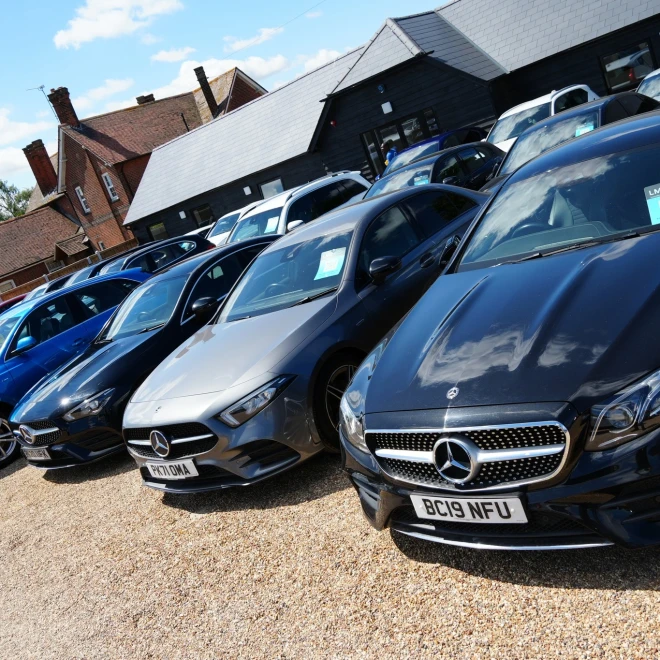
This article originally warned that a global semiconductor shortage had pushed new car waiting lists beyond a year. That shortage has since eased and new car lead times have largely returned to normal. The knock-on effect on the used market, though, is still being felt — which is the more useful story now.
A modern car contains somewhere between 1,500 and 3,000 semiconductors, running everything from engine management to safety systems and infotainment. When supply dried up, manufacturers could not finish cars, and buyers who would normally have bought new turned to the used market instead.
Fewer new cars sold across those years means fewer of them reaching the used market now, as ex-fleet and part-exchange stock. That shortfall works through the market on a delay of several years, and it is part of why well-kept used cars of that age continue to hold their value better than the historical pattern would suggest.
For a buyer, the practical consequences are straightforward:
The long new car waiting lists are gone, so the original advice no longer applies. What remains true is that a properly prepared used car with a documented history is a stronger buy than it was five years ago. Every car we sell is history checked, inspected and prepared before it goes on sale — ask us about any vehicle and we will show you exactly what has been done to it.
Browse our full range of quality used cars, or talk to our friendly team.